All articles · Spices · 5 min read
Black Pepper Buying Guide: How to Judge Quality, Spot Adulteration and Keep It Fresh
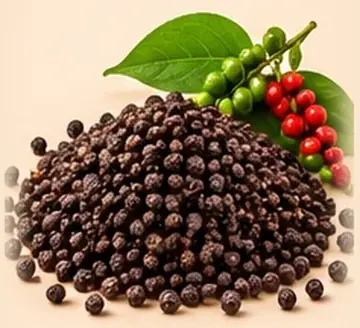
Key takeaways
- Whole peppercorns beat ground pepper for aroma and shelf life — grind just before use.
- Good pepper is bold, heavy for its size, evenly dark and strongly aromatic, with little dust or light berries.
- Heavier, denser berries generally mean better quality; light or hollow berries are a warning sign.
- Papaya seeds are the classic adulterant — whole pepper from a trusted source is the safest route.
- Stored airtight, away from heat and light, whole pepper keeps its flavour for a year or more.
Black pepper is the world’s most traded spice and the one almost every kitchen uses daily — yet it is rarely bought with much thought. A cheap packet of tired, dusty pepper delivers heat but little aroma; a good batch adds warmth, citrus and pine notes that lift a dish. Whether you are stocking a restaurant, a grocery shop or your own pantry, a few simple checks will help you buy pepper that is worth the money.
What makes pepper taste like pepper
Pepper’s bite comes from piperine, while its aroma comes from volatile essential oils. Piperine is stable; the oils are not. That is why old or pre-ground pepper tastes flat: the heat remains but the fragrance has escaped. Good whole peppercorns hold both for far longer because the skin protects what is inside.
Black, white, green and red pepper — one plant, four products
| Type | How it is made | Flavour | Best for |
|---|---|---|---|
| Black pepper | Berries picked just before ripe, briefly boiled and sun-dried until they blacken and wrinkle. | Bold, pungent, piney and citrusy | All-purpose: curries, rubs, marinades, table pepper |
| White pepper | Fully ripe berries soaked to remove the outer skin, then dried. | Earthy, sharper, less aromatic | Pale sauces, soups, Chinese and continental dishes |
| Green pepper | Unripe berries preserved fresh, brined or freeze-dried. | Fresh, mild and herbal | Sauces, pickles, steak dishes |
| Red pepper | Fully ripe berries preserved while red. | Sweet-fruity and mellow | Gourmet use and garnish |
How to judge quality by eye, hand and nose
- Size and shape: bolder, rounder berries are generally better. A batch full of tiny, shrivelled berries is a lower grade.
- Weight: pick up a handful — good pepper feels heavy and dense. Light, hollow berries are immature or old and crush into dust.
- Colour: an even dark brown-black. A mix of grey, green and very pale berries suggests uneven drying or mixed stock.
- Surface: deeply wrinkled and slightly glossy from natural oils, not dull and powdery.
- Aroma: crush a few berries. You should smell a strong, fresh, piney-citrus fragrance straight away. A weak, musty or dusty smell means old stock.
- Cleanliness: very little stalk, dust, stones or broken berries (“pinheads” and “light berries”).
- Taste: a clean, hot bite that builds, followed by aroma — not just raw heat or bitterness.
Grades and bulk density, in plain language
Pepper traders grade whole black pepper mainly by size, cleanliness and bulk density — how many grams fit in a litre. Denser pepper has more essential oil and flavour per berry, which is why premium grades are bold, heavy and sold at a higher price. Well-known grade names include Tellicherry and Malabar styles; where a supplier quotes a grade, ask what it is based on, what the bulk density is, and what moisture the batch is dried to.
Spotting adulteration
Pepper is bulky, valuable and widely traded, which makes it a target for adulteration. The classic trick is mixing in dried papaya seeds, which look similar to peppercorns but are weaker, lighter and cheaper. Ground pepper can also be bulked up with husks or starches.
- Papaya seeds are usually lighter, more oval and less wrinkled, and smell mild or slightly bitter when crushed. A common home check is to drop a spoonful into water: genuine pepper tends to sink while papaya seeds float — treat it as a hint rather than proof.
- A price that is far below the market for the stated grade is the biggest warning sign.
- Pre-ground pepper is the hardest to verify. If it smells faint or looks unusually pale or uniform, be suspicious.
- Mixed lots with many different sizes and colours suggest blending of low-grade stock.
Home tests are only indicators. The reliable approach is to buy whole pepper from a supplier you trust, ask for lot information and, for large purchases, request a lab report.
Storing pepper so the flavour lasts
- Keep it whole. Whole peppercorns can stay aromatic for a year or more; ground pepper fades in weeks to months.
- Use airtight containers — glass jars or sealed food-grade pouches with a tight lid.
- Keep it cool, dry and dark. Heat, light and humidity are the enemies. Avoid storing jars next to the stove.
- Use a dry spoon. A damp spoon introduces moisture that invites mould.
- Buy to match your consumption. A busy restaurant can buy larger bags; a household is better off with smaller, fresher packs.
Using pepper well
- Grind fresh, as late as possible. Coarse for steaks and rubs, medium for everyday cooking, fine for soups and sauces.
- Toast lightly whole peppercorns in a dry pan for 30–60 seconds to deepen aroma before grinding for curries and spice blends.
- Add in stages. Pepper at the start builds background warmth; pepper at the end gives a sharp, fragrant finish.
- Pair with turmeric. Black pepper’s piperine is widely reported to improve absorption of curcumin, which is why the two appear together in many traditional recipes and in golden milk.
- Use it beyond savoury food. A crack of pepper lifts strawberries, chocolate, pineapple and even masala chai.
Bulk buying checklist for restaurants, retailers and processors
- Grade or size specification and the basis for it.
- Bulk density (grams per litre) and moisture level.
- Harvest year and pack date — fresher is more aromatic.
- Cleanliness: percentage of stalks, light berries, dust and foreign matter.
- Packing: food-grade, sealed bags in clear weights (for example 500 g, 1 kg and 5 kg).
- Region of origin and traceability.
- A small trial lot before a bigger commitment.
Black pepper from the Koraput hills
Black pepper vines thrive under light shade in humid, cool, high-rainfall hills — conditions found across the Koraput highlands in Odisha. Berries are typically harvested from around January to March, then dried in the sun. Dasaya Agriverse sources whole black pepper from Koraput and supplies it in 500 g, 1 kg and 5 kg packs. Tell us your monthly quantity and we will confirm current availability, packing and pricing.
Frequently asked questions
Is whole black pepper better than ground?
Yes. Whole peppercorns protect their aroma oils and stay fresh far longer. Grind only what you need, just before use.
How long does black pepper last?
Stored airtight in a cool, dry, dark place, whole peppercorns stay flavourful for a year or more. Ground pepper declines noticeably within a few months.
What is the difference between black and white pepper?
Both come from the same plant. Black pepper is made from nearly ripe berries dried with their skin; white pepper from fully ripe berries with the skin removed. White pepper is earthier and sharper, with less aroma.
How can I tell if my pepper is adulterated?
Look for light, shrivelled or oddly shaped “berries”, weak aroma and a suspiciously low price. Papaya seeds are the commonest filler. Buying whole pepper from a trusted supplier is the best protection.
Can I order black pepper in bulk from Dasaya?
Yes. We supply 500 g, 1 kg and 5 kg packs; send us the quantity you need through the enquiry basket or WhatsApp.