All articles · Kitchen tips · 5 min read
How to Store Vegetables So They Stay Fresh Longer: A Fridge-by-Fridge, Shelf-by-Shelf Guide
Key takeaways
- Different vegetables need different conditions: cold and humid, cool and dry, or simply room temperature.
- Keep ethylene-producing fruits (bananas, apples, ripe tomatoes) away from ethylene-sensitive vegetables.
- Do not wash most vegetables until just before use — moisture speeds spoilage.
- Trimming, wrapping and the right container can double the life of leafy greens and herbs.
- Fresh produce that was handled well before it reached you simply lasts longer — start with a good source.
A surprising share of the vegetables bought in Indian homes and commercial kitchens never gets eaten. Some of that waste is unavoidable, but a lot of it comes from small storage mistakes: wet leaves in a warm room, tomatoes in a very cold fridge, onions stored next to potatoes. This guide walks through how to store each major group of vegetables so they stay fresh, crisp and tasty for as long as possible, whether you are cooking for a family or running a restaurant kitchen.
Four rules that apply to almost everything
- Start fresh. Storage can slow decline but not reverse it. Produce harvested recently and cooled quickly after harvest has far more shelf life than produce that spent days travelling through several hands.
- Keep it dry. Excess moisture breeds mould and rot. Wash just before using, unless the vegetable arrives pre-washed and ready to use.
- Mind the temperature. Some vegetables like cold; others suffer chilling injury below about 7–10 °C.
- Watch ethylene. Ripening fruits release ethylene gas, which speeds yellowing and spoilage in leafy greens, cucumbers, broccoli and carrots.
The quick-reference chart
| Vegetable | Where to store | How | Typical life* |
|---|---|---|---|
| Lettuce & salad greens | Fridge | Wrap in a dry cloth or paper towel inside a container; leave living lettuce in its pack | 4–7 days |
| Spinach & leafy greens | Fridge | Unwashed, in a breathable bag with paper towel | 3–5 days |
| Basil | Room temperature | Stems in a glass of water, loosely covered; refrigeration blackens leaves | 5–7 days |
| Mint & coriander | Fridge | Stems in water or wrapped in damp paper in a container | 5–10 days |
| Tomato | Counter until ripe, then fridge briefly | Stem side down, out of direct sun | 5–10 days |
| Cucumber | Fridge (door or front) | Dry, loosely wrapped; avoid the coldest spot | 5–7 days |
| Capsicum | Fridge drawer | Whole, dry, in a perforated bag | 7–14 days |
| Brinjal | Cool spot or fridge door | Dry, whole, not sealed airtight | 4–7 days |
| Broccoli & cauliflower | Fridge | Loose in a perforated bag, unwashed | 5–7 days |
| Carrot, beetroot, radish | Fridge | Trim the leafy tops, store in a container with a damp cloth | 2–3 weeks |
| Green chilli | Fridge | Stalks removed, dry, in a paper-lined container | 1–2 weeks |
| Potato | Cool, dark, ventilated | Never in the fridge; away from onions and light | 3–5 weeks |
| Onion | Cool, dry, ventilated | In a mesh bag, away from potatoes | 3–8 weeks |
| Ginger & turmeric | Fridge or cool cupboard | Dry, in a paper bag; freeze grated portions | 3–4 weeks |
*Indicative ranges. Actual life depends on the variety, how fresh it was when you bought it and your storage conditions.
Leafy greens and herbs: the most perishable group
Lettuce, spinach, rocket and herbs are mostly water, and they wilt quickly. The recipe for keeping them crisp is simple: keep them cold, keep them humid but not wet, and protect them from bruising.
- Remove damaged leaves straight away so rot does not spread.
- Dry thoroughly if you have washed them. A salad spinner is excellent.
- Line a container with a paper towel, add the leaves and close the lid loosely. Replace the towel when damp.
- Living lettuce and hydroponic greens sold with roots attached last longest left in their original pack in the fridge.
- Basil is the exception: it blackens in the cold, so store it at room temperature like cut flowers.
Tomatoes, capsicum and cucumbers: do not over-chill
These warm-climate vegetables suffer chilling injury at low temperatures, showing up as pitting, watery flesh and flat flavour. Tomatoes taste best kept at room temperature until ripe; move fully ripe ones to the fridge to hold them for a few more days and bring them back to room temperature before eating. Capsicum and cucumbers do better in the warmer parts of the fridge, such as the door or the front of a shelf.
Roots, onions and potatoes: cool, dark and apart
Potatoes and onions keep best in a cool, dark, well-ventilated place — but not together. Onions give off moisture and gases that make potatoes sprout, and potatoes in turn can spoil onions. Never refrigerate potatoes for long: the cold converts starch to sugar and affects taste and cooking colour. Carrots, beetroot and radish like humidity, so keep them in the fridge in a container or damp cloth after cutting off the leafy tops, which otherwise draw moisture from the root.
Ethylene: the invisible reason things go off
Ripe bananas, apples, mangoes and tomatoes release ethylene, a natural ripening hormone. It is helpful for ripening fruit but speeds up yellowing in leafy greens, causes bitterness in carrots and shortens the life of cucumbers and broccoli. Keep ethylene producers on the counter or in a separate drawer, away from sensitive vegetables.
Freezing: a rescue plan
- Blanch then freeze beans, peas, cauliflower, broccoli and carrots: a short dip in boiling water, then ice water, drained and frozen flat.
- Freeze grated ginger, turmeric or chilli in small portions.
- Freeze herbs chopped in ice-cube trays with a little water or oil.
- Do not freeze salad leaves, cucumber or raw tomatoes you plan to eat fresh; they turn mushy.
For restaurants, hotels and caterers
- First in, first out (FIFO): label every box with the delivery date and use the oldest first.
- Separate zones: keep leafy greens, roots and ethylene producers apart in the cold room.
- Check temperatures at least daily. Most vegetables keep best at around 2–8 °C, with chill-sensitive items at the warmer end.
- Inspect on delivery: reject wet, crushed or wilting crates immediately rather than letting problems spread.
- Order to a forecast, and use frequent small deliveries for greens and herbs.
- Track wastage by item and by supplier. It tells you whether the problem is your storage or your sourcing.
Fresh from Dasaya Agriverse
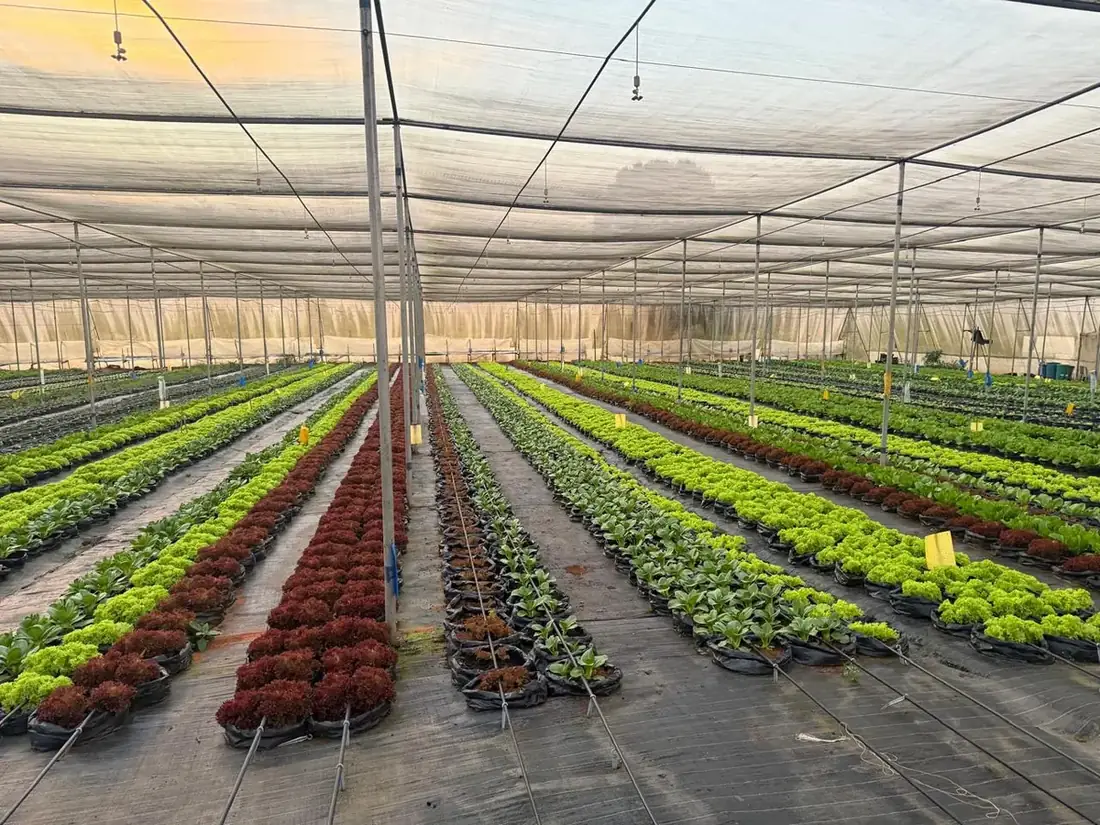
Dasaya Agriverse harvests, hand-sorts and packs vegetables, leafy greens and herbs at our Koraput farm and dispatches them in kitchen-friendly crates and packs, so more of their shelf life is still with you when they arrive. If you want greens and vegetables that last, send us your list and delivery location and we will help you plan.
Frequently asked questions
Should I wash vegetables before storing them?
Generally no. Moisture speeds up mould and rot. Wash just before use, unless the produce is pre-washed and packed for storage.
Why do tomatoes taste bland after refrigeration?
Cold damages the flavour compounds and texture of tomatoes. Keep them at room temperature until ripe, and refrigerate only fully ripe ones for a short time.
How do I keep coriander and mint fresh?
Trim the stems, stand them in a glass of water or wrap them in damp paper, and keep them loosely covered in the fridge.
Can I store potatoes and onions together?
It is best not to. They shorten each other’s life. Store them separately in a cool, dark, ventilated place.
What is the ideal fridge temperature for vegetables?
Around 2–8 °C for most vegetables, with chill-sensitive items such as cucumber, capsicum and tomatoes stored toward the warmer end.