All articles · Koraput specials · 5 min read
Koraput Coffee: How to Buy Green, Roasted or Ground Beans — and Brew a Better Cup
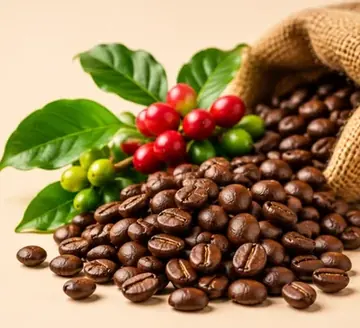
Key takeaways
- Freshness matters most: roasted beans taste best within roughly two to four weeks of the roast date.
- Green (unroasted) beans last far longer and suit roasters, cafés and anyone who wants control over the roast.
- Arabica is sweeter and more aromatic; Robusta is stronger, more bitter and higher in caffeine.
- Grind just before brewing, and match the grind size to your method.
- Store beans airtight, cool and dark — not in the fridge.
India’s coffee story is usually told through Karnataka, Kerala and Tamil Nadu, but another origin is steadily making its way onto café menus: Odisha’s Koraput hills. Grown in cool, high-rainfall highlands under a shade canopy of tall trees, Koraput coffee is attracting roasters and cafés looking for something distinctive and traceable. This guide explains what to look for when you buy coffee — green, roasted or ground — and how to get the best cup from it.
Arabica and Robusta in a nutshell
| Arabica | Robusta | |
|---|---|---|
| Flavour | Sweeter, aromatic, brighter acidity; notes of fruit, caramel, nuts and chocolate | Bolder, earthier, more bitter; notes of cocoa, grain and woody spice |
| Caffeine | Lower | Roughly double that of Arabica |
| Grows best at | Higher, cooler elevations | Lower, warmer elevations; hardier |
| Typical use | Filter, pour-over, specialty espresso, single-origin | Espresso blends for body and crema, filter-coffee blends, instant coffee |
Neither is “better” — they do different jobs. Many South Indian filter-coffee blends combine Arabica for aroma with Robusta for strength and body, and often chicory for a thicker cup.
Why shade-grown highland coffee is different
Coffee grown under tree shade ripens more slowly than coffee grown in full sun. Slower ripening gives the cherry more time to develop sugars and complex flavour compounds, which many growers and roasters believe results in a smoother, more rounded cup. The shade canopy also supports birds, insects and soil health, making shade-grown coffee a more biodiversity-friendly system. In Koraput, coffee is commonly grown alongside silver oak and other trees on hill slopes.
From cherry to cup: how processing shapes flavour
- Harvest: ripe red cherries are hand-picked, usually from around December to March in this region.
- Washed (wet) processing: the fruit is removed before drying, giving a cleaner, brighter, more transparent cup.
- Natural (dry) processing: whole cherries are dried first, giving heavier body and fruity, winey sweetness.
- Drying and hulling: beans are dried to a stable moisture level, hulled to remove parchment and sorted.
- Roasting: green beans are roasted to develop flavour; roast level dramatically changes taste.
Green, roasted or ground — which should you buy?
Green beans
Unroasted beans stay stable for many months when stored cool and dry, which is why roasters and cafés buy green coffee and roast to order. It gives complete control over roast level and ensures peak freshness, but you need a roaster and the skill to use it.
Roasted whole beans
The best choice for most cafés, restaurants and home brewers. Roasted beans start losing aroma almost immediately and need a few days to release trapped gas, so the sweet spot is typically from a few days to about two to four weeks after the roast date. Always look for a roast date on the pack, not just a “best before” date.
Ground coffee
Convenient, but ground coffee loses flavour fastest because far more surface area is exposed to air. It is acceptable if used within a couple of weeks, if it is ground for your specific brewing method, and if it is sealed in a good barrier pack.
Roast levels explained
| Roast | Colour | Taste | Good for |
|---|---|---|---|
| Light | Light brown, dry surface | Bright, fruity, floral; more acidity | Pour-over, filter, single-origin tasting |
| Medium | Medium brown | Balanced, sweet, nutty, chocolatey | Most brewing methods; crowd-pleaser |
| Medium-dark | Dark brown, slight oil | Rich, caramelised, lower acidity | Espresso, moka pot, milk-based drinks |
| Dark | Very dark, oily | Smoky, bitter, roasty | Strong espresso blends; South Indian filter style |
What to check before you buy
- Roast date (for roasted coffee) — the fresher the better.
- Variety and origin: Arabica or Robusta, the growing region and, ideally, the estate or farmer group.
- Processing method: washed or natural.
- Bean appearance: even size and colour, few broken beans, no black, mouldy or insect-damaged beans.
- Smell: a sweet, rich aroma on opening. Flat, musty or burnt smells mean old coffee or a poor roast.
- Packaging: airtight, with a one-way degassing valve for whole-bean bags.
- Traceability: a supplier who can tell you where and when the coffee was harvested.
Grind size and brew ratios that work
A reliable starting point for most brewing methods is a ratio of about 1 gram of coffee to 15–17 grams of water, with water at roughly 92–96 °C. Adjust to taste: if the cup is sour or thin, grind finer or brew longer; if it is bitter or harsh, grind coarser or brew shorter.
| Method | Grind | Approx. ratio | Time |
|---|---|---|---|
| Espresso | Fine | 1 : 2 (coffee : liquid out) | 25–30 sec |
| Moka pot | Medium-fine | Fill basket, water to valve | 4–5 min |
| Pour-over / V60 | Medium | 1 : 16 | 2.5–3.5 min |
| French press | Coarse | 1 : 15 | 4 min |
| South Indian filter | Medium-fine | 1 : 8 for a decoction, then dilute with milk | 10–15 min drip |
| Cold brew | Coarse | 1 : 8 (diluted afterwards) | 12–18 hours in the fridge |
Storing coffee properly
- Airtight container away from air, moisture, light and heat.
- Cool cupboard, not the fridge. Fridges add moisture and odours; freezing is only sensible for long-term storage of sealed bags, and thawed beans should not be refrozen.
- Buy to your pace. Buy smaller amounts more often rather than one large bag you finish in two months.
- Grind fresh with a burr grinder for the best flavour.
Bulk buying: a checklist for cafés, hotels and resorts
- Roast date on every bag and a clear delivery cycle.
- A cup-tested sample before you commit to a volume.
- Consistent roast profile batch to batch.
- Pack sizes that match your usage (for example 250 g, 500 g and 1 kg).
- The option of green beans if you roast in-house.
- Clear origin story for menus and customers — guests love a traceable local coffee.
Koraput coffee from Dasaya Agriverse
Dasaya Agriverse supplies original Koraput-grown coffee — green beans, roasted beans or ground — in 250 g, 500 g and 1 kg packs, with larger volumes by arrangement. If you run a café, resort or restaurant and want a distinctive Odisha origin for your menu, send us your quantity and preferred roast and we will come back with availability and pricing.
Frequently asked questions
Is Koraput coffee Arabica or Robusta?
Both Arabica and Robusta are grown in the region. Ask your supplier which variety a particular lot is, as the taste differs considerably.
How long do roasted coffee beans stay fresh?
Roughly two to four weeks after the roast date for best flavour, though they remain drinkable for longer. Ground coffee fades faster.
Should I store coffee in the fridge?
No. Keep it in an airtight container in a cool, dark cupboard. The fridge can introduce moisture and food odours.
What grind should I use for a South Indian filter?
A medium-fine grind, typically with a blend that includes Robusta and, if you like, chicory for a thicker decoction.
Can I buy green coffee beans in bulk?
Yes. We can supply green beans for roasters and cafés; tell us your quantity and we will confirm availability and pricing.