All articles · Millets & grains · 5 min read
Ragi and Millets: Health Benefits, Types and Easy Ways to Cook Them Every Day
Key takeaways
- Millets are small-seeded grasses that are naturally rich in fibre and minerals; ragi is notably high in calcium.
- Their slow-digesting carbohydrates make them a popular swap for refined grains.
- Soaking, rinsing and correct water ratios solve most “my millet tastes bitter or mushy” problems.
- Whole millets store well for months in airtight containers away from heat and moisture.
- For bulk buying, check cleanliness, moisture, uniformity and harvest year.
Long before wheat and polished rice dominated Indian plates, millets fed much of the subcontinent. Ragi, bajra, jowar and a dozen smaller millets are drought-tolerant, need little in the way of inputs and thrive on land where other cereals struggle. The United Nations declared 2023 the International Year of Millets, and interest in them has kept growing. This guide explains what they are, why people eat them, and — just as important — how to make them taste good.
What are millets?
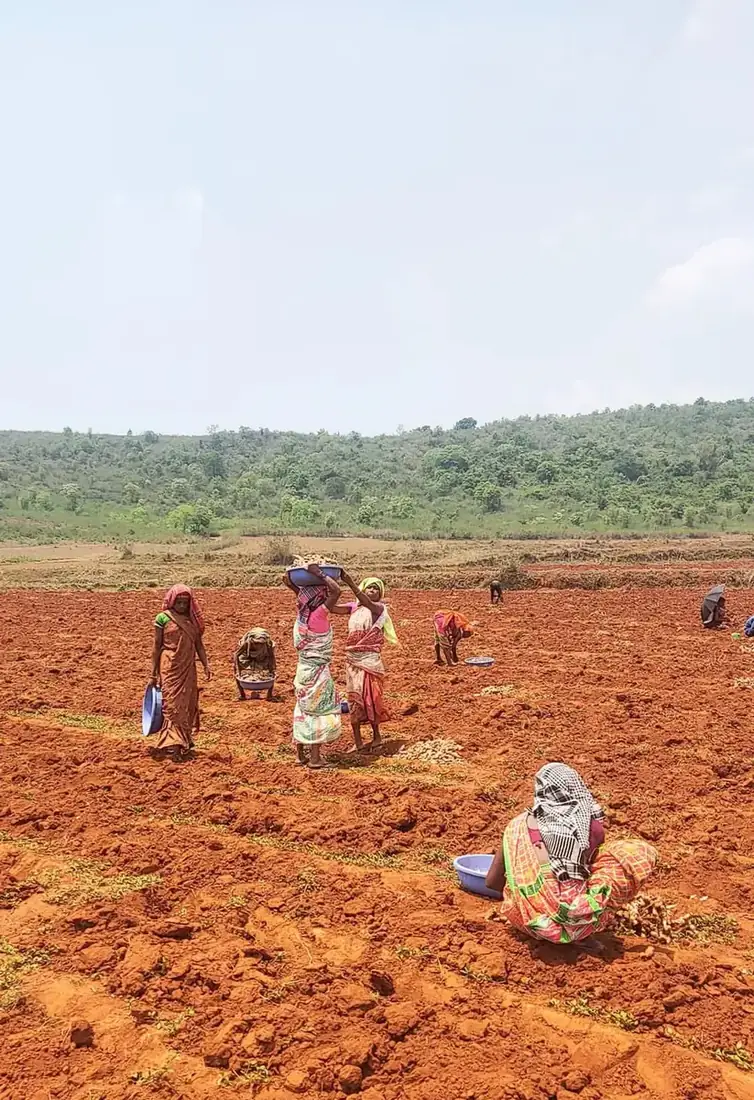
Millets are a group of small-seeded grasses cultivated as cereals. They are grouped as major millets (jowar/sorghum, bajra/pearl millet, ragi/finger millet) and small or minor millets (foxtail, little, kodo, barnyard, proso and browntop). In the Koraput highlands, ragi and several small millets have been grown for generations on terraced and sloping fields, mostly rain-fed and with minimal fertiliser.
Why ragi is special
Ragi (finger millet) has become the poster grain of the millet revival and for good reason. Compared with most cereals it is particularly rich in calcium — figures reported for whole ragi are several times higher than rice or wheat — and it also provides iron, dietary fibre and plant protein, with a good amino-acid profile for a cereal. It contains polyphenols and is naturally gluten-free, making it a useful grain for people avoiding gluten. Because it digests slowly, it is often chosen as part of meals aimed at steadier energy.
A quick guide to common millets
| Millet | Also called | Flavour & texture | Good for |
|---|---|---|---|
| Ragi | Finger millet, nachni | Earthy, slightly sweet; flour makes soft dark dough | Roti, dosa, porridge, malt, ladoo, cookies |
| Foxtail | Kangni, thinai | Mild, slightly nutty; cooks fluffy | Upma, pulao, khichdi, kheer |
| Little millet | Kutki, samai | Mild, rice-like and soft | Rice replacement, pongal, curd rice |
| Kodo | Kodra, varagu | Slightly chewy, earthy | Pulao, khichdi, idli rava |
| Barnyard | Sanwa, jhangora | Light and delicate | Fasting meals, kheer, upma |
| Pearl millet | Bajra | Robust, nutty | Rotla, khichdi, winter dishes |
| Sorghum | Jowar | Mild and neutral | Roti, popped snacks, porridge |
How to cook millets properly
Step 1 — rinse and soak
Rinse millets well in clean water until it runs clear. Then soak small millets for 2–6 hours (ragi grain for 8 hours or overnight if sprouting). Soaking reduces cooking time, helps digestion and softens any lingering bitterness from natural compounds in the husk or bran.
Step 2 — use the right water ratio
As a starting point, use 2 to 2.5 cups of water for 1 cup of small millet for a soft, rice-like result, a little less for a fluffy pulao-style finish and more for porridge. Dry-roast the grain for two to three minutes before adding water — this deepens the flavour and keeps grains separate.
Step 3 — cook and rest
Bring the water to a boil with a pinch of salt, add the millet, then cover and simmer on low heat for about 15–20 minutes, until the water is absorbed. Switch off the heat and let it rest covered for 5–10 minutes before fluffing with a fork. In a pressure cooker, 3 whistles usually does it for soaked small millets.
Cooking with ragi flour
For ragi mudde (a traditional dumpling-like staple), stir flour into boiling salted water, cook until thick and smooth, then shape into balls. For rotis, knead with hot water to make the dough pliable, and press rather than roll. For porridge, whisk the flour into cold water first to avoid lumps, then cook while stirring until glossy.
Seven easy millet ideas
- Ragi porridge (malt): ragi flour cooked in water or milk and sweetened with jaggery — a classic breakfast and a favourite weaning food (introduce solids to infants only as advised by a paediatrician).
- Ragi dosa or chilla: ragi flour, a little rice flour, curd, onion, green chilli and curry leaf in a quick pan-crisp batter.
- Millet pulao or khichdi: foxtail or little millet cooked with vegetables and whole spices.
- Millet upma: dry-roasted millet rava with mustard, curry leaf and vegetables.
- Curd “rice”: cooked little millet with curd, tempered mustard seed and ginger.
- Ragi ladoo: roasted flour, jaggery and ghee shaped into balls — a long-lasting snack.
- Millet kheer: barnyard or foxtail millet simmered in milk with cardamom and jaggery.
Common problems and fixes
- Tastes bitter or “raw” — rinse more, soak longer and dry-roast before cooking.
- Mushy — reduce water, avoid over-stirring and rest the pot before opening.
- Dry or crumbly rotis — use hot water for kneading and a little oil or grated vegetable in the dough.
- Lumps in porridge — whisk flour into cold liquid first.
How to store millets
Whole millets keep well for many months when stored in airtight containers in a cool, dry place away from direct light. Millet flour, especially ragi flour, goes stale faster because the bran’s natural oils oxidise — buy it in smaller quantities or refrigerate it. If you see small insects or webbing, discard the stock; to prevent them, keep grain dry, clean containers well between batches and avoid mixing old and new stock.
Buying millets in bulk: a checklist for hotels, caterers and retailers
- Cleanliness: minimal stones, husk, dust and foreign grains. Ask whether the lot is machine-cleaned and sieved.
- Uniform size and colour: a mix of old and new crop, or different varieties, cooks unevenly.
- Moisture level: dry grain that rattles and does not feel damp; high moisture invites mould and pests.
- Smell: a clean, nutty smell. Musty or sour odours mean poor storage.
- Harvest year and pack date: fresher is better, especially for flour.
- Packaging: food-grade, sealed bags of consistent weight (for example 5, 25 or 50 kg), clearly labelled.
- Traceability: the region and farm cluster the grain comes from.
Millets from Koraput
The Koraput highlands are one of India’s richest millet landscapes. Dasaya Agriverse sources ragi and other small millets from highland farms and supplies them in 5 kg, 25 kg and 50 kg bags, with varieties confirmed by availability each season. If you run a restaurant, health-food store, hostel kitchen or catering business and want a steady supply of clean, graded millets, tell us the variety and monthly quantity and we will quote.
Frequently asked questions
Is ragi good for weight management?
Ragi is high in fibre and digests slowly, which can help you feel full for longer. It supports a balanced diet but is not a weight-loss solution on its own.
Can I eat millets every day?
Most healthy adults can include millets daily as part of a varied diet; rotating between different millets and other grains is a good approach. Check with a doctor if you have a thyroid or kidney condition.
Do I need to soak millets?
Soaking is not mandatory but recommended. It shortens cooking time, improves texture and can make millets easier to digest.
How long does ragi flour last?
Typically a few weeks to a couple of months in a cool, dry, airtight container; refrigeration extends it. Whole ragi grain lasts much longer.
Are millets gluten-free?
Millets do not contain gluten, but cross-contamination can occur in processing, so people with coeliac disease should look for products handled in gluten-free facilities.