All articles · Spices · 5 min read
Turmeric and Ginger: How to Choose, Store and Use the Best Raw and Dried Rhizomes
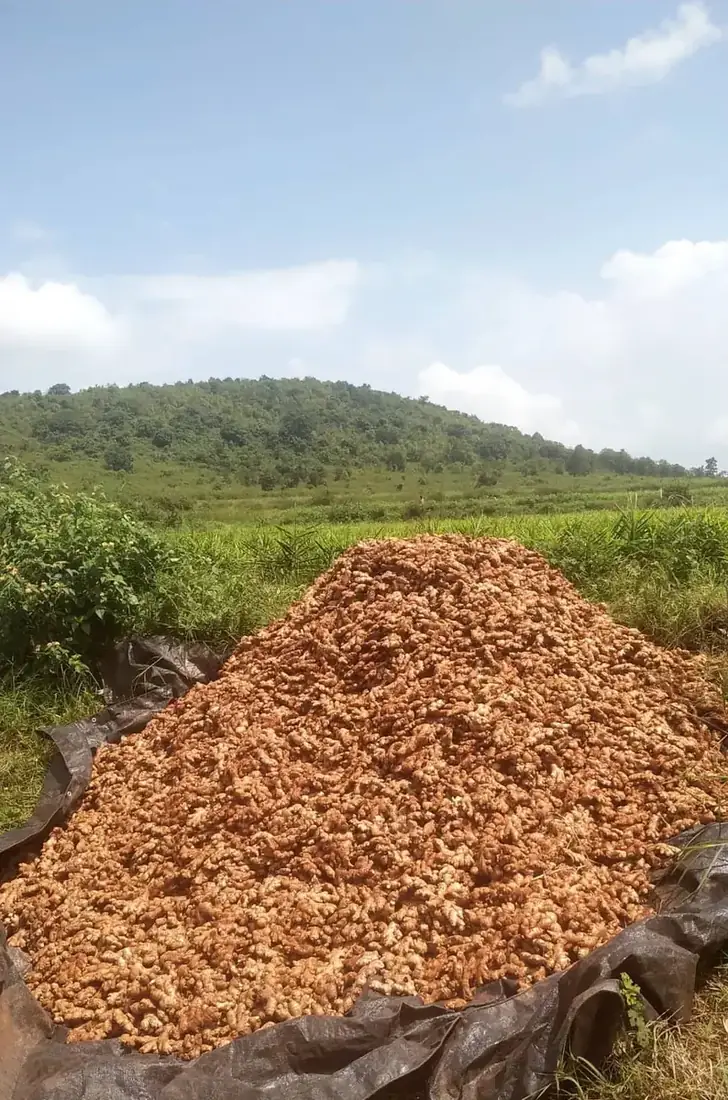
Key takeaways
- Good ginger is firm, heavy for its size, taut-skinned and strongly aromatic; avoid shrivelled, soft or mouldy pieces.
- Good turmeric has a deep orange-yellow interior, a clean earthy aroma and no pale, chalky patches.
- Raw rhizomes keep for weeks in the right conditions; dried ones keep for months.
- Powders are where adulteration happens most — buying whole and grinding fresh is the safest route.
- For bulk orders, specify harvest date, grade, moisture and packing before you commit.
Turmeric and ginger are cousins — both are rhizomes in the same plant family — and between them they season, colour and heal a large share of Indian cooking. They are also two of the most commonly mis-sold spices: stale, fibrous, dyed or cut with fillers. Whether you are stocking a hotel kitchen, running a grocery shop or simply cooking at home, a few simple checks will help you buy better and waste less.
Turmeric and ginger at a glance
| Turmeric (haldi) | Ginger (adrak) | |
|---|---|---|
| Plant part used | Rhizome (“fingers” and “mother” rhizome) | Rhizome (“hands”) |
| Key compounds | Curcuminoids (colour), essential oils | Gingerols and shogaols (heat), essential oils |
| Flavour | Earthy, warm, slightly bitter | Pungent, citrusy, warming |
| Typical harvest | Jan – Apr | Nov – Mar (mature); earlier for baby ginger |
| Forms | Raw, dried, powder | Fresh, dried (sonth), powder, paste |
How to choose fresh (raw) turmeric
- Colour inside: snap a finger — the flesh should be a deep, saturated orange-yellow. Pale or dull flesh suggests low curcumin content or old stock.
- Firmness: fingers should be hard and plump, not rubbery or sprouting.
- Skin: thin, clean and brownish-tan, with no black spots, mould or slimy patches.
- Aroma: fresh, earthy and slightly peppery with a hint of citrus.
- Staining: raw turmeric stains hands and chopping boards bright yellow. If it does not, question what you are buying.
How to choose fresh ginger
- Weight: pick pieces that feel heavy for their size — a sign of juiciness.
- Skin: taut, smooth and thin. Wrinkled, dry skin means moisture loss.
- Snap test: young ginger snaps cleanly with a fresh, sharp smell; very fibrous ginger bends and feels stringy.
- Avoid: soft spots, mould near the cut ends, green sprouts or a fermenting smell.
- Mature vs young: mature ginger is more pungent and better for drying and paste; young “spring” ginger has pink-tinged skin, is milder and is good for pickling and juices.
Raw vs dried: which should you buy?
Fresh gives you the brightest flavour and works well for juices, pickles, chutneys, curries and wellness drinks. It is bulky and perishable, however. Dried rhizomes (turmeric fingers boiled, dried and polished; ginger sliced or whole and sun-dried) are lighter to ship, last for months and are the raw material for powder. Many professional kitchens use both: fresh for aroma in finishing and dried powder for base colour and bulk cooking.
How dried turmeric is made
After harvest, turmeric fingers are cleaned, boiled until soft, dried in the sun for one to two weeks until they “ring” when tapped, and then polished to remove the rough outer skin. Careless drying leaves moisture inside and invites mould; rushed boiling reduces colour.
Storage: keeping rhizomes fresh longer
- Do not wash before storing. Brush off loose soil and let rhizomes air-dry fully.
- Refrigerator: keep unpeeled pieces in a paper bag or breathable container in the vegetable drawer; ginger and turmeric typically last a few weeks.
- Freezer: grate or slice, freeze in small portions, and use straight from frozen. Texture softens but flavour holds well.
- Cool, dry room (short term): well-cured mature rhizomes tolerate a few days to a week on a counter away from the sun.
- Dried products: store in airtight containers away from light, heat and humidity; whole is better than ground.
Spotting adulteration in turmeric powder
Turmeric powder has a long history of being cut with starch or coloured with artificial dyes. Some common warning signs:
- A powder that is unnaturally bright, almost neon yellow, rather than a warm golden-orange.
- A weak aroma — real turmeric smells earthy and warm.
- Colour that bleeds instantly and intensely into cold water, with streaks that do not settle naturally.
- A very low price compared with whole turmeric of the same quality.
Home tests are only a hint; a lab test is the only reliable way to confirm purity. The simplest protection is to buy whole turmeric from a source you trust and grind it yourself, or to buy powder from a supplier that publishes batch information and holds proper food-safety credentials.
Using turmeric and ginger well
Turmeric
- Fry turmeric powder in oil or ghee briefly at the start of a dish; its colour and flavour compounds dissolve better in fat.
- Pair with a pinch of black pepper — the piperine in pepper is widely reported to improve absorption of curcumin.
- Grate raw turmeric into pickles, salads, rice and golden milk for a fresher flavour.
Ginger
- Add finely minced ginger early for deep warmth, or late for a sharper bite.
- Make a ginger-garlic paste in batches with a little oil and salt; refrigerate for a week or freeze in cubes.
- Use slices in chai and kadha, juice in marinades, and dried ginger (sonth) in spice blends and digestive remedies.
Bulk buying: a checklist for restaurants, retailers and processors
- Harvest date and crop year — freshness changes both flavour and storage life.
- Grade and size — ask for finger length, uniform size and an allowed percentage of broken pieces.
- Moisture level — especially for dried products; too high means mould risk.
- Cleanliness — washed, free of soil, stones and plant debris.
- Packing — breathable sacks or crates for raw, sealed food-grade bags for dried, with clear labelling.
- Traceability — farm cluster and region of origin.
- Consistent supply — agree volumes and delivery schedules ahead of the season.
Turmeric and ginger from Koraput
The hills of Koraput in Odisha provide the warm, humid conditions and loose, well-drained soils that rhizome crops love. Dasaya Agriverse supplies Koraput ginger and turmeric, fresh and dried, in packs of 1 kg, 5 kg and 25 kg, and can discuss powder on request. Tell us your monthly requirement and delivery location and we will confirm current availability and pricing.
Frequently asked questions
What is the difference between raw turmeric and turmeric powder?
Raw turmeric is the fresh rhizome with a bright, juicy flesh. Powder is made from boiled, dried and ground rhizomes, so it is more concentrated, longer lasting and slightly different in flavour.
How long does fresh ginger last?
Properly stored in the fridge, unpeeled fresh ginger usually lasts three to four weeks; frozen, several months.
Why does my turmeric stain everything?
The pigment curcumin binds strongly to surfaces. Wear gloves, use a dedicated board and rinse stains quickly with warm soapy water.
Is dried ginger stronger than fresh?
Drying concentrates the pungent compounds and changes some of them, so dried ginger tastes hotter and slightly different. Use less than you would of fresh.
Can I order turmeric and ginger in bulk from Dasaya?
Yes. We supply 1, 5 and 25 kg packs for businesses; use the enquiry basket or WhatsApp us the quantity you need.